

 中文简体
中文简体 English
 русский
 Inquiry
Don't hesitate to send a message
A site manager on a high-rise concrete pour opens a damaged pallet of masonry bits and finds round-shank drills next to an SDS-Plus rotary hammer. Every bit spins in the chuck wi...
READ MORE

A site manager on a high-rise concrete pour opens a damaged pallet of masonry bits and finds round-shank drills next to an SDS-Plus rotary hammer. Every bit spins in the chuck wi...
READ MORECutting a 35 mm hinge recess in a solid beech cabinet door is where the spade vs forstner bit choice stops being theoretical. A spade bit will blast through the wood in less than...
READ MOREWhen a supplier's pallet of carbide-tipped masonry bits arrives at your warehouse, the receiving team has only minutes to decide whether to accept the shipment. A false material ...
READ MOREA cabinet shop drilling forty 3/8 inch shelf-pin holes in white oak will get the job done in about eight minutes with a spade bit. Roughly 10% of those holes carry tear-out, and ...
READ MOREIn woodworking and carpentry, achieving clean, flat-bottomed holes is often a critical requirement. Among the various types of drill bits available, the Forstner bit stands out for its unique ability to bore precise holes with smooth edges and minimal tear-out. This article explores the science, technique, selection, and maintenance of Forstner bits, and examines their role in modern woodworking industries.
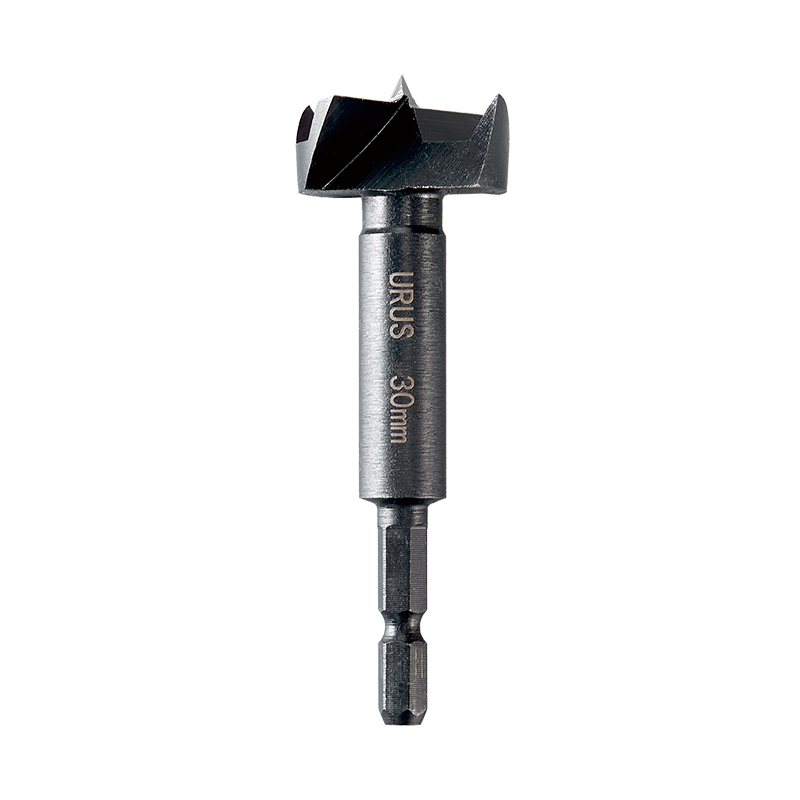
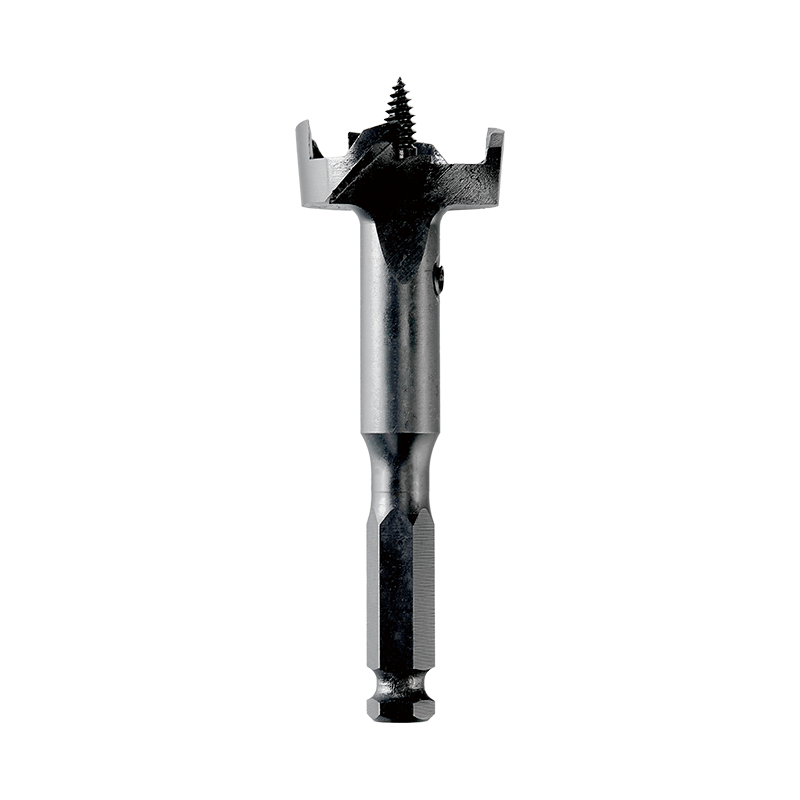
A Forstner bit consists of a pilot center spur or flat center point that locates the bit precisely, radial cutting lips, and a circular rim that shears the wood fibers. As it rotates, the rim keeps the bit on track and reduces wandering, while the cutting lips slice through material. This combination yields flat bottoms and clean side walls.
Unlike twist bits that eject chips continuously, Forstner bits remove material in annular rings, allowing controlled chip evacuation. The design helps distribute the load across the cutting edges, reducing stress concentration. In hardwoods especially, this helps prevent splintering and burn marks.
Choose a bit diameter that matches your hardware or joint specifications. Pay attention to manufacturing tolerance: high-quality bits maintain tight tolerances (within a few thousandths of an inch) to ensure snug fits.
Look for bits with optimally ground cutting lips and rims. Bit bodies made of high-speed steel or coated alloys can resist wear and heat. In some cases, cryogenically treated bits offer extended edge life.
For stability, prefer bits with thicker shanks (e.g. 1/2″ or larger) when drilling larger diameters. The shank must suit your drill press or router jig securely to avoid vibration.
Use moderate rotational speeds based on diameter and wood species (slower in hardwoods). Don’t force the bit too fast — allow it to cut gradually without overheating.
When drilling deep, retract periodically to clear chips. This prevents clogging, helps cooling, and avoids excessive friction.
Use sacrificial backing material to reduce tear-out at exit. This is especially important when drilling through plywood or veneered boards.
After use, remove resin or pitch build-up with solvent. Monitor dullness and re-sharpen as needed (ideally by a skilled grinding setup). Store bits upright or in dedicated holders to prevent edge damage.
Forstner bits play a role in cabinetry, musical instrument building, furniture joinery, model making, and custom millwork. They are favored for inlay pockets, concealed hinge mortises, and overlapping holes. Even in automated CNC or router-based operations, Forstner-style tooling retains relevance for specific hole geometries.
Drilling dense hardwoods or engineered materials may generate heat that dulls the edge. Newer coatings or edge treatments help mitigate this effect.
Very large Forstner bits can introduce vibration unless rigid fixturing and balanced equipment are used. Some users adopt stepped drilling or pilot holes to reduce load.
Some advanced bits combine Forstner-like rims with additional flutes or chip ejection features. These hybrids aim to marry clean finishes with faster chip removal.
In the realm of precision tooling, understanding how specialized bits like the Forstner bit fit into production ecosystems is essential. In China’s tool manufacturing sector, meticulous control over tolerances, metallurgical quality, and process stability determines long-term competitiveness.
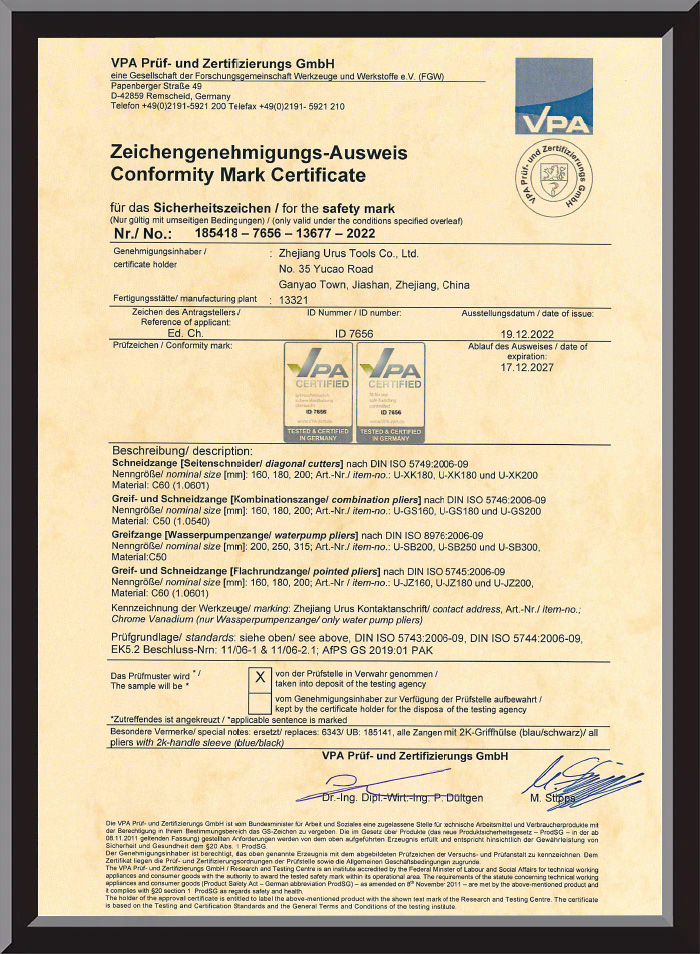
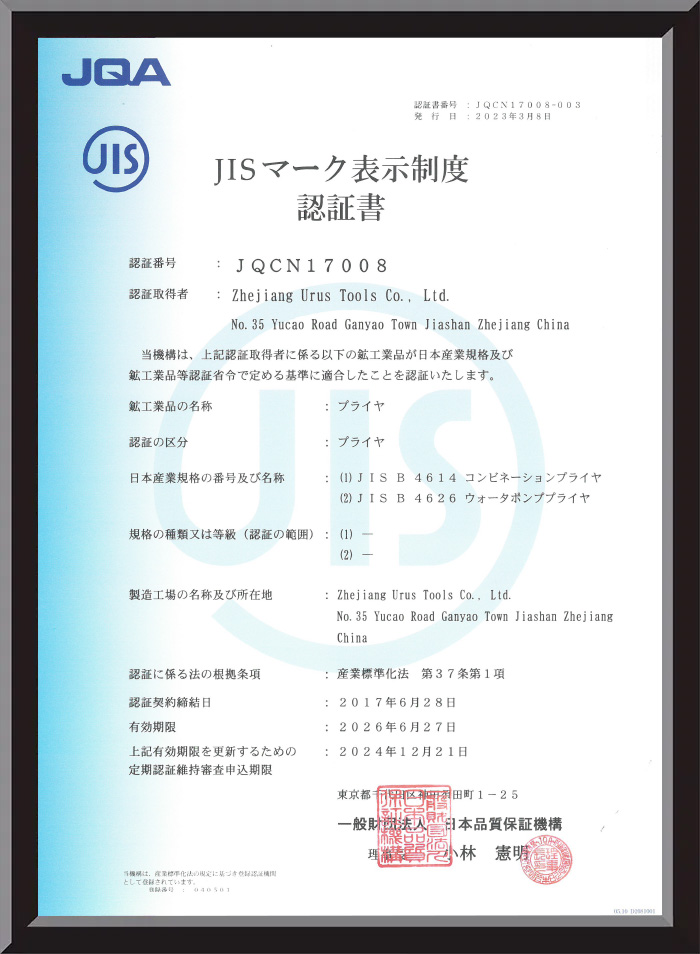
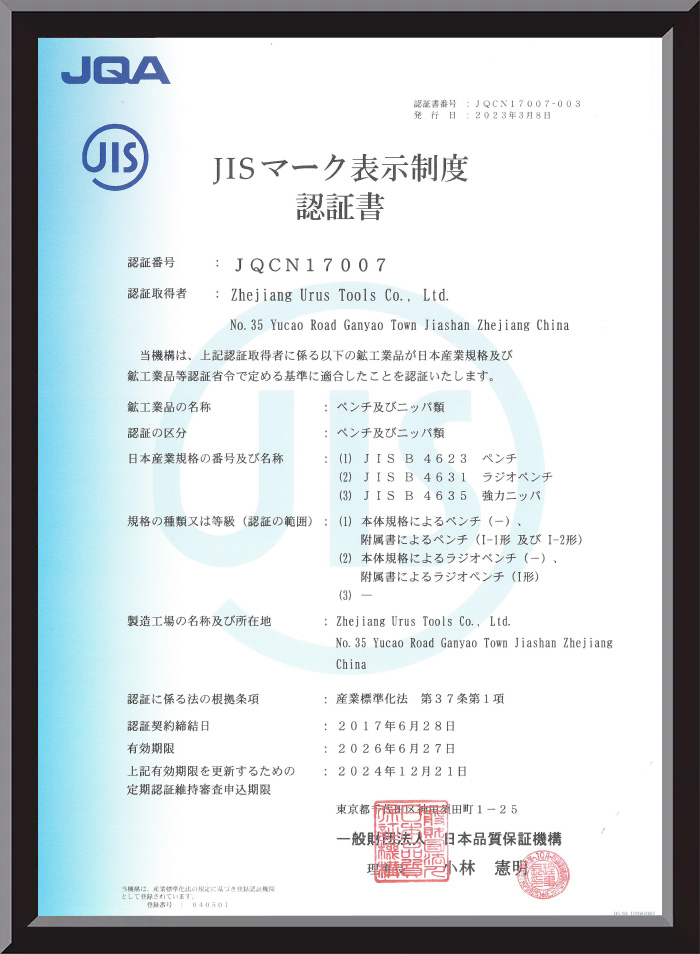
Founded in 1995, Zhejiang URUS Tools Co., Ltd. is located in Ganyao town, Jiashan city, Zhejiang Province, covering an area of 36,000 square meters, with a plant area of 65,000 square meters, with optimal traffic connections to Shanghai and Hangzhou (high speed train, airport, highway, etc.). We have attained ISO9001:2015 certification. With decades of experience in precision toolmaking, the company integrates research, development, and manufacturing workflows. Its presence underscores how companies focused on cutting-edge tool engineering support the broader ecosystem in which Forstner bits are developed, tested, and improved.
As demands for higher precision, lower material waste, and longer tool life continue to rise, innovation around Forstner bits will likely focus on coatings, hybrid cutting geometries, vibration control, and automation integration. For woodworking professionals and industrial manufacturers alike, mastering the selection, use, and maintenance of the Forstner bit remains a key competency.

+86-573-84611229

+86-573-84611518


NO.35 Yucao Road, Ganyao Town, Jiashan City, Zhejiang Province, China
