

 中文简体
中文简体 English
 русский
 Inquiry
Don't hesitate to send a message
I. Introduction: Solving the "Impossible" Task The phrase "fitting a square peg into a round hole" is a universal symbol...
READ MOREContent
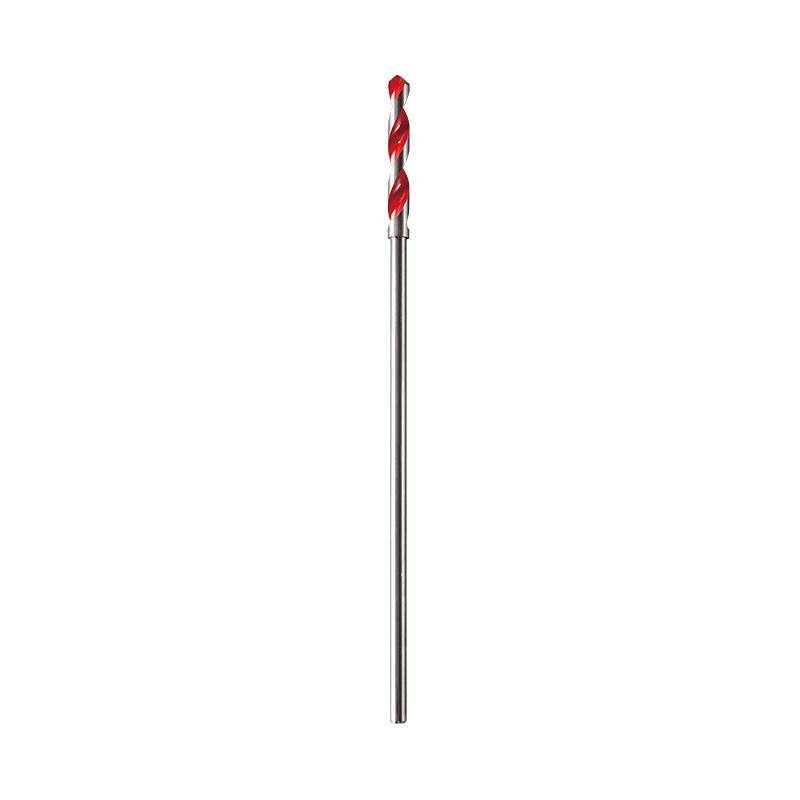
The Bellhanger Bit is engineered for tasks that require precision drilling through walls, tight spaces, and complex surfaces, especially when routing wires or cables. Unlike standard drill bits, it features an extended shank, a flexible or semi-flexible body, and a strategically designed eyelet hole that allows professionals to pull wiring directly through drilled paths. These characteristics make it indispensable for electricians, installers, and remodeling specialists. Its unique construction also contributes to smoother drilling angles, reduced wall damage, and enhanced control in unpredictable materials. When comparing it with general-purpose drill bits, the differences become even more obvious in performance, efficiency, and adaptability, especially for users searching for solutions like the best bellhanger bit for electrical wiring or techniques that support long-distance routing. The bellhanger bit techniques for tight spaces also make it ideal for modern installation environments where wall compositions vary in density and layering.
| Feature | Bellhanger Bit | Standard Drill Bit |
| Length | Extended | Short to medium |
| Cable-Pulling Eyelet | Yes | No |
| Flexibility | Flexible/Semi-flexible | Rigid |
Selecting a Bellhanger Bit is essential when your project involves routing electrical wires, internet cables, or sensor lines through enclosed or difficult-to-reach spaces. Professionals often face the challenge of drilling through layered materials—drywall, insulation, studs, or masonry—where precise pathways are essential to avoid structural damage. When users search for reliable methods such as the how to use a bellhanger bit for wall drilling, the underlying goal is to achieve efficient drilling without compromising safety or accuracy. This tool is intentionally crafted for controlled penetration and threading, enabling smooth transitions through varying densities. When working in finished spaces or remodeling older buildings, installers choose this bit because it minimizes patching and maximizes efficiency. It is particularly effective for detailed wiring projects, where accurate routing is crucial for long-term durability and performance.
| Application Type | Recommended Tool | Reason |
| Routing Electrical Cables | Bellhanger Bit | Built-in eyelet allows cable pulling |
| Boring General Holes | Standard Bit | No need for extended reach |
| Tight-Space Wiring | Bellhanger Bit | Long, flexible structure |
Learning how to use a bellhanger bit for wall drilling is crucial for achieving clean, stable drilling results. The technique involves steady hand control, understanding material density, and maintaining proper drill alignment. Many users assume the extended length makes the bit difficult to control, but the opposite is true when technique is applied correctly. The long shaft acts as a stabilizer, distributing torque evenly and reducing wobbles. For optimal performance, begin by marking a precise entry point and ensuring the drill angle matches the desired cable route. As you work deeper, allow the bit to guide itself rather than applying excessive force. The design of the Bellhanger Bit helps maintain directional stability, even through multiple layers. Once the hole is complete, the eyelet becomes essential for pulling cables smoothly through the drilled channel. This is especially important for installers working in multi-level buildings or large residential spaces.
| Drilling Step | Recommended Action | Benefit |
| Initial Penetration | Slow Speed | Prevents chipping |
| Deep Drilling | Apply steady pressure | Maintains accuracy |
| Cable Pulling | Use eyelet | Faster installation |
The bellhanger bit techniques for tight spaces are vital for modern installation work, where wiring often passes through narrow wall sections and confined spaces behind appliances. The key advantage of the Bellhanger Bit lies in its ability to bend slightly while maintaining drilling accuracy. This controlled flexibility allows installers to navigate around studs, insulation, and unexpected obstructions. In older buildings, tight spaces often contain hidden pipes or uneven structural elements, making conventional drill bits unsuitable. By adopting precise entry angles and maintaining consistent rotation speed, users can achieve smooth drilling even when visibility is limited. A thoughtful drilling plan, combined with the bit’s built-in cable-pulling function, significantly reduces the time required to complete wiring tasks. Its use is also beneficial when drilling from attic spaces into wall cavities, or when accessing narrow channels behind fixed cabinets.
| Scenario | Technique | Outcome |
| Narrow Wall Cavities | Angle adjustment | Clean path creation |
| Drilling Behind Cabinets | Slow drilling | Better control |
| Multi-layer Materials | Guided pressure | Avoids snapping |
Selecting the best bellhanger bit for electrical wiring depends on material thickness, cable type, and drilling distance. Installers working with modern wiring systems often encounter thicker insulation materials, which require a sharp, durable bit capable of long, clean cuts. A high-quality Bellhanger Bit ensures stable performance across drywall, wood studs, and insulated wall layers. For long-distance drilling, length matters—not just for reach, but also for maintaining directional control over extended routes. You should consider the bit’s shaft rigidity, sharpness, and the size of its eyelet hole, as these factors directly impact the ease of threading different cable types. When running electrical wires through multiple rooms or floors, choosing a bit with superior stability reduces mistakes and speeds up installation. Additionally, heat resistance and structural durability help maintain performance during prolonged drilling work.
| Bit Length | Usage | Benefit |
| 18–24 in | Short wiring runs | Basic control |
| 24–36 in | Standard wall drilling | Better reach |
| 36+ in | Multi-floor wiring | Extended routing capability |
Searches for a long flexible bellhanger drill bit for installers highlight the growing need for adaptable tools capable of navigating complex infrastructure. Flexibility becomes essential when drilling behind pre-installed systems, such as HVAC ducts or plumbing networks, where straight drilling paths are impossible. Flexible Bellhanger Bits maintain structural integrity while bending slightly, helping installers achieve accurate routing without damaging surrounding materials. Professionals often choose flexible bits for retrofitting older properties, where wall cavities can be unpredictable due to shifting over time. The Bellhanger Bit provides a balance of rigidity and elasticity that supports both new construction and maintenance tasks. With flexible options, installers can reduce the number of access holes, maintaining the integrity of finished surfaces while ensuring cables reach their destination efficiently.
| Bit Type | Flexibility Level | Application |
| Rigid | Low | Straight path drilling |
| Semi-Flexible | Medium | General installation |
| Flexible | High | Tight-space routing |
Understanding how to use a bellhanger bit for wall drilling is essential when working through drywall, plaster, insulated walls, and layered construction materials. The extended length allows the user to reach internal wall cavities with precision, while the bit’s design ensures stability throughout the drilling path. One of the primary applications is in electrical and communication wiring, where cables must pass discreetly through walls without causing structural damage. The Bellhanger Bit also minimizes surface disruption, especially in finished rooms where aesthetics matter. Installers benefit from the ability to drill from one room into another without making additional access holes. With its eyelet feature, the bit becomes not only a drilling tool but also a cable-pulling instrument that simplifies multi-step tasks into a single streamlined workflow.
| Wall Type | Benefit of Bellhanger Bit | Expected Outcome |
| Drywall | Clean drilling path | Smooth finish |
| Plaster | Better stability | Reduced cracking |
| Insulated walls | Long reach | Effective cable routing |
A bellhanger drill bit guide for cable routing is essential for professionals who require accuracy and efficiency in modern wiring projects. Routing cables involves careful planning, as installers must consider wall composition, cable thickness, and the path’s length. The Bellhanger Bit simplifies this process with its long shaft and wire-pulling eyelet, allowing seamless transitions from drilling to threading. For structured cabling systems—security wiring, network lines, speaker wires—this bit ensures minimal surface disruption and maximum placement accuracy. The ability to drill at controlled angles further enhances cable-routing capabilities, enabling installers to bypass obstacles without compromising performance. Whether used in new construction or renovation, the Bellhanger Bit remains a core tool for professionals who value speed, precision, and durability.
| Cable Type | Routing Difficulty | Benefit of Bellhanger Bit |
| Electrical wiring | Medium | Strong eyelet support |
| Networking cables | Low | Precision drilling |
| Speaker wires | Low | Clean routing paths |
Choosing the correct size depends on the diameter of the cable you plan to route and the distance you need to drill. For thicker electrical cables, select a bit with a larger eyelet and stronger composition. For long-distance drilling, choose a bit between 24–36 inches for stability and cleaner results.
Yes. The Bellhanger Bit is specifically designed for multi-layer materials, including insulated walls. Its extended length ensures deeper reach, and its guided stability helps maintain straight drilling even when insulation density varies.
For older homes with unpredictable wall structures, a long flexible bellhanger drill bit for installers provides better maneuverability. Its flexibility allows the user to navigate around internal obstacles such as pipes, uneven studs, or older insulation materials.
Yes, especially when selecting longer options. Bits over 36 inches allow multi-floor routing while minimizing the need for additional access holes. They support thicker wiring and maintain drilling accuracy over long distances.
After drilling, attach the cable to the eyelet securely and pull it through slowly while maintaining tension on both sides. This ensures a smooth transition and prevents insulation damage, especially when routing electrical wires or data cables.
I. Introduction: Solving the "Impossible" Task The phrase "fitting a square peg into a round hole" is a universal symbol...
READ MOREMetalworking has always been a cornerstone of industrial development, shaping everything from automotive components to a...
READ MORE1. What Are Waterpump Pliers? – The Flexible “All-Rounder” Tool In modern industrial manufacturing and daily maintenance...
READ MORESelecting the appropriate industrial cutting tools is a critical decision that directly impacts manufacturing efficiency...
READ MORE
+86-573-84611229

+86-573-84611518


NO.35 Yucao Road, Ganyao Town, Jiashan City, Zhejiang Province, China
