

 中文简体
中文简体 English
 русский
 Inquiry
Don't hesitate to send a message
I. Introduction: Solving the "Impossible" Task The phrase "fitting a square peg into a round hole" is a universal symbol...
READ MOREIn the world of craftsmanship, construction, and DIY, the quality and appropriateness of your tools directly determine the outcome of your work. Professional hand tools are the backbone of precision and efficiency for tradespeople and serious enthusiasts alike. This comprehensive guide delves deep into the essential aspects of selecting, using, and maintaining these vital instruments, drawing from decades of industry expertise. We'll explore specialized categories, compare materials, and provide actionable advice to empower your next project.
Content
The term professional hand tools encompasses a vast array of instruments designed for specific tasks. Understanding these categories is the first step toward building a competent toolkit.
These form the fundamental trio in any toolbox.
Accuracy is non-negotiable in professional work. This category includes:
Choosing between tool types and materials is critical. A direct comparison can clarify the best application for each.
The core material of a tool dictates its strength, durability, and suitability. The debate often centers on Chrome Vanadium (Cr-V) and Carbon Steel (CS). While Cr-V is renowned for its excellent strength-to-weight ratio and good corrosion resistance, making it ideal for dynamic tools like sockets and ratchets, Carbon Steel is known for its superior hardness and edge retention, which is crucial for cutting tools like chisels and knives, though it requires more maintenance to prevent rust[1]. The following table breaks down the key differences:
| Property | Chrome Vanadium Steel | Carbon Steel |
| Primary Advantage | High tensile strength, good toughness | High hardness, excellent edge retention |
| Corrosion Resistance | Moderate (often coated) | Low (requires protective oiling) |
| Typical Applications | Sockets, wrenches, ratchets | Knives, chisels, saw blades, striking tools |
| Weight | Relatively lighter | Can be heavier |
A generic toolkit often falls short for specialized professions. The requirements for professional hand tools for electricians, for instance, differ vastly from those needed for durable hand tools for automotive repair. Electrician tools must feature insulated handles rated for specific voltages, include wire strippers, and often have non-conductive coatings. Conversely, automotive tools demand exceptional strength to handle high torque, resistance to oils and chemicals, and often come in specific socket sizes for engine work. Selecting trade-specific tools enhances both safety and efficiency.
What separates a professional tool from a consumer-grade one? It's a combination of design, material, and manufacturing integrity.
Professional tools are designed for all-day use. Features like ergonomic pliers for prolonged use are not a luxury but a necessity. This includes:
For tasks like metalworking or machining, the margin of error is minuscule. This is where high-precision measuring tools for metalworking become indispensable. Professional-grade precision tools offer:
Durability is equally paramount, especially in harsh conditions. The demand for corrosion-resistant tools for marine environments highlights the need for specialized finishes like electrophoretic coating or the use of stainless-steel alloys to withstand constant exposure to saltwater and humidity.
Investing in quality tools is only half the battle; proper care ensures they last a lifetime.
The journey from raw material to a reliable tool in your hand is defined by manufacturing rigor. Companies that prioritize this process, like Zhejiang URUS Tools Co., Ltd., understand that quality is systemic. Founded in 1991 and operating from a 65,000 square meter facility in Jiashan, the company's optimal location near Shanghai and Hangzhou facilitates robust logistics. Their attainment of ISO9001:2015 certification and status as a national high-tech enterprise underscore a commitment to consistent quality management and innovation. Specializing in drill bits, pliers, and hand tool sets, their focus on R&D (evidenced by the Municipal R&D center award) is crucial for developing advanced products, such as ergonomic pliers for prolonged use or durable hand tools for automotive repair, that meet the stringent demands of international markets in Japan, Europe, and the USA. This backend excellence is what ultimately delivers the performance professionals rely on.
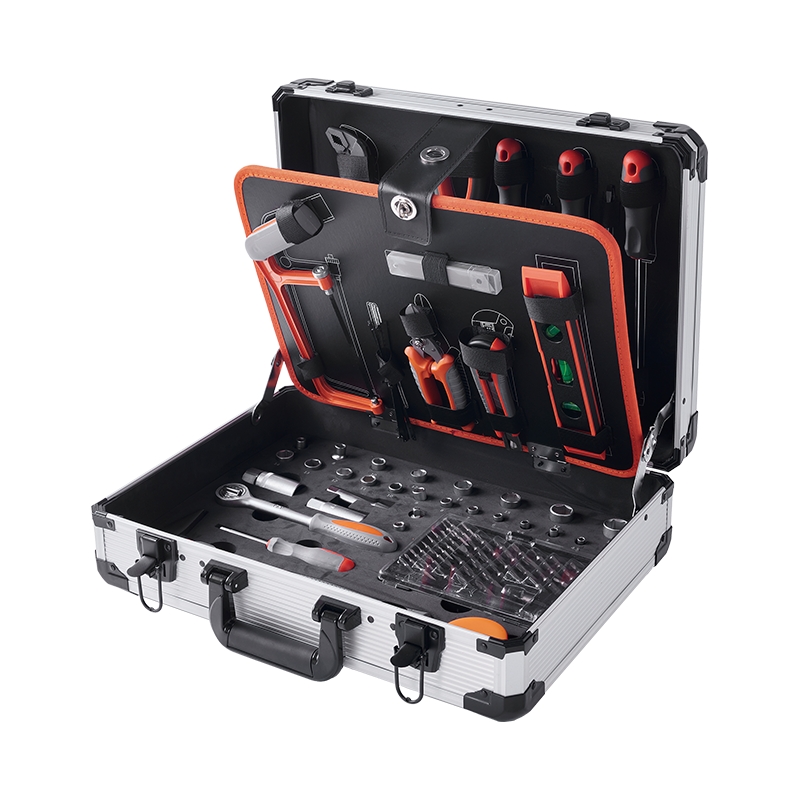
Professional-grade hand tools are distinguished by superior materials (like high-grade steel alloys), precision manufacturing, rigorous quality control, and design features focused on durability, accuracy, and ergonomics for continuous, heavy-duty use.
Consider the primary function. Choose Chrome Vanadium for tools requiring high toughness and tensile strength (e.g., wrenches). Opt for Carbon Steel where maximum hardness and edge retention are critical (e.g., chisels), but be prepared for more diligent anti-corrosion care.
Ergonomic handles reduce muscle fatigue, improve grip security, and help prevent long-term repetitive strain injuries. They are essential for any task involving prolonged use, making tools safer and more efficient.
Yes. "Corrosion-resistant" means they are more resistant to rusting than untreated steel, not immune. In harsh environments like marine settings, proper cleaning and maintenance are still required to maximize their lifespan.
The frequency depends on usage. For frequent professional use, a monthly or quarterly check against a known standard is advisable. For occasional use, calibrate before starting a high-precision project. Always follow the manufacturer's guidelines.
[1] Roberts, G. A., & Cary, R. A. (1980). *Tool Steels*. American Society for Metals. This text provides foundational knowledge on the properties and applications of different tool steel alloys, including the comparison between Chrome Vanadium and Carbon Steel.
I. Introduction: Solving the "Impossible" Task The phrase "fitting a square peg into a round hole" is a universal symbol...
READ MOREMetalworking has always been a cornerstone of industrial development, shaping everything from automotive components to a...
READ MORE1. What Are Waterpump Pliers? – The Flexible “All-Rounder” Tool In modern industrial manufacturing and daily maintenance...
READ MORESelecting the appropriate industrial cutting tools is a critical decision that directly impacts manufacturing efficiency...
READ MORE
+86-573-84611229

+86-573-84611518


NO.35 Yucao Road, Ganyao Town, Jiashan City, Zhejiang Province, China
