

 中文简体
中文简体 English
 русский
 Inquiry
Don't hesitate to send a message
I. Introduction: Solving the "Impossible" Task The phrase "fitting a square peg into a round hole" is a universal symbol...
READ MOREContent
The core difference between an impact driver and an impact wrench comes down to the type of fastener each tool is built to move. An impact driver delivers rotational force in short, rapid bursts to drive screws and smaller fasteners into wood, metal, or masonry, using a 1/4-inch hex collet that accepts quick-change driver bits. An impact wrench is built around a square drive, typically 1/2-inch, 3/4-inch, or larger, and is designed to deliver much higher torque output for loosening or tightening bolts and lug nuts that a driver simply isn't equipped to handle.
Torque range is the clearest technical marker separating the two categories. Impact drivers generally produce somewhere between 1,000 and 3,000 inch-pounds of torque, which is more than enough for driving screws through dense material without stripping the head, but far below what's needed to break a rusted lug nut free. Impact wrenches, by contrast, routinely produce anywhere from 2,000 to well over 1,500 foot-pounds in industrial models, since automotive and heavy-equipment bolts are torqued to specifications that require sustained high-force impacts rather than quick bursts.
Chuck design and bit compatibility follow from that torque difference. Because impact drivers work with a hex collet, they can only accept 1/4-inch hex-shank bits, which is why the bit and accessory ecosystem around drivers is built entirely around driving and light drilling. Impact wrenches use square drive sockets instead, since round hex bits would shear or slip under the torque loads a wrench generates. Choosing the correct tool for the fastener at hand isn't just about convenience; using an impact driver on a lug nut, or an impact wrench on a small wood screw, is a common cause of stripped fasteners and damaged tool components.
An impact driver works by combining standard rotational drive with a spring-loaded internal hammer mechanism that delivers concussive rotational blows whenever the tool senses resistance. Under light load, the driver spins like a standard drill. As soon as the fastener meets resistance, an internal hammer and anvil assembly kicks in, delivering thousands of quick rotational impacts per minute. This is what allows a compact, one-handed tool to sink long screws into hardwood or drive lag bolts without stalling the motor or requiring the operator to lean into the tool.
That impact mechanism is also why impact drivers feel and sound different from drills under load, producing a rapid buzzing or clicking noise as the hammer strikes the anvil. The benefit of this design is twofold: it reduces kickback transmitted to the user's wrist compared to a drill bogging down under torque, and it delivers far more driving power from a smaller, lighter tool body. This makes impact drivers a preferred choice on job sites where technicians are driving large volumes of screws into framing, decking, or subflooring over the course of a shift.
Beyond driving screws, impact drivers can also handle light drilling tasks when fitted with hex-shank drill bits, though they are not a substitute for a dedicated drill in precision boring applications. The impact function can cause bit wander in softer materials or when starting a hole at an angle, so most professionals reserve the impact driver for driving and use a standard drill or hammer drill when clean, accurate holes are the priority.
The 1/4-inch designation on an impact driver refers to the hex collet size, which is standard across nearly all impact drivers on the market and is not typically offered in a 1/2-inch driver variant, since 1/2-inch drives are associated with impact wrenches rather than drivers. When buyers ask about 1/4-inch versus 1/2-inch options, they are usually comparing an impact driver against an impact wrench, or comparing torque and power classes within the impact driver category itself, such as compact 12-volt models against higher-torque 18-volt or 20-volt units.
Within the impact driver category, the meaningful comparison is torque output and battery platform rather than drive size, since the hex collet remains consistent. Compact, lower-torque drivers are suited to finish work, cabinetry, and repetitive light-duty fastening where reduced weight and better control matter more than raw power. Higher-torque driver models are built for structural framing, decking, and heavier lag screw applications where the additional impact force shortens driving time and reduces operator fatigue over long runs.
For projects that genuinely call for a 1/2-inch drive, an impact wrench is the correct tool category rather than a variant of the driver. A 1/2-inch impact wrench is the standard size for automotive lug nuts and general mechanical fastening, while 3/4-inch and 1-inch drives step up to heavy equipment, industrial assembly, and structural steel bolting where torque requirements exceed what a 1/2-inch anvil can reliably transmit.
For most bolt-driving tasks involving lug nuts, structural bolts, or heavy machinery fasteners, an impact wrench is the correct tool rather than an impact driver. The square drive and higher torque ceiling of an impact wrench are specifically engineered to break loose fasteners that have seized due to corrosion, over-torquing, or thread-locking compound, something an impact driver's hex collet and lower torque range are not designed to withstand.
There are, however, edge cases where a smaller impact driver is the more practical choice for bolt work, particularly with small-diameter bolts, furniture assembly hardware, or light-gauge metal fastening where excessive torque risks stripping threads or shearing the fastener head. In these lower-torque scenarios, the driver's finer control and compact size can outperform the wrench, which is often over-powered for delicate assembly work.
The safest approach on any job involving bolted connections is to match the tool to the fastener's torque specification rather than defaulting to whichever tool is closest at hand. Automotive, structural, and heavy equipment bolts typically carry manufacturer torque ratings that call for an impact wrench, sometimes paired with a torque-limiting extension or a final check with a manual torque wrench to confirm the fastener has been tightened to spec rather than simply driven until it stops turning.
| Feature | Impact Driver | Impact Wrench |
|---|---|---|
| Drive Type | 1/4-inch hex collet | 1/2-inch or larger square drive |
| Typical Torque | 1,000–3,000 in-lbs | 2,000+ ft-lbs (varies by size) |
| Primary Use | Screws, lag bolts, light drilling | Lug nuts, structural bolts, heavy fasteners |
Comparison of typical drive type, torque output, and application between impact drivers and impact wrenches.
Using an impact driver correctly starts with selecting the right bit for the fastener head and inserting it fully into the hex collet until it locks in place. With the bit seated, position the driver square to the fastener, apply light forward pressure, and squeeze the trigger gradually rather than pulling it to full speed immediately. Letting the tool's impact mechanism engage naturally as resistance builds produces a cleaner drive with less risk of cam-out or stripped screw heads compared to forcing the tool at full speed from the start.
Most impact drivers include variable speed control and, on higher-end models, multiple power settings that let the operator dial down torque for delicate materials or ramp it up for dense lumber and metal. Working in short controlled bursts, backing off the trigger as the fastener seats, and keeping the driver aligned with the fastener axis are the habits that separate clean, repeatable results from stripped screws and marred material surfaces.
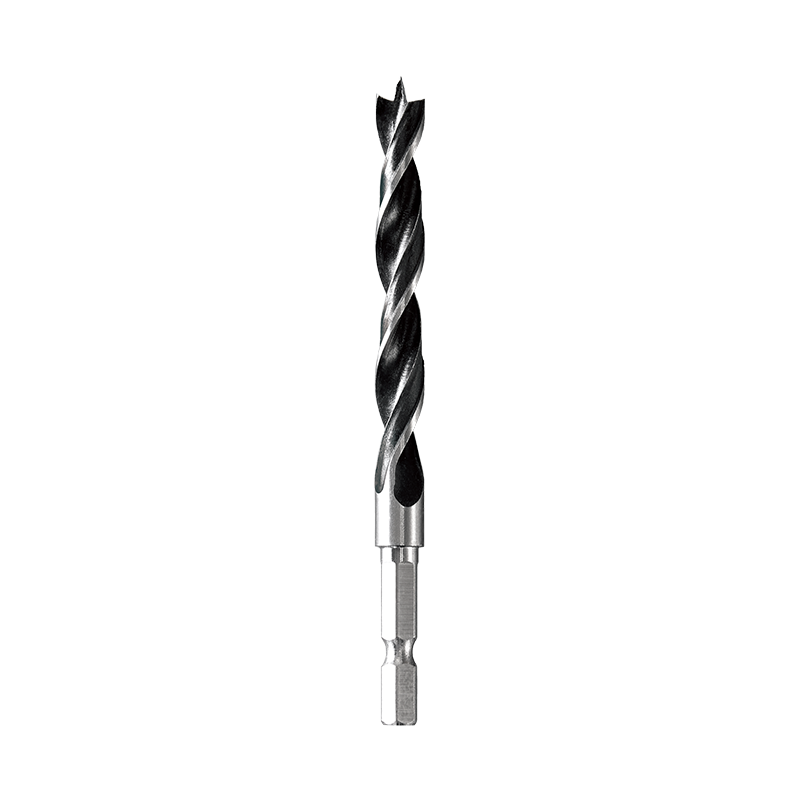
Drill bits, meanwhile, serve a different function from driver bits entirely: the main use for drill bits is creating holes in a material, whether for pilot holes ahead of screws, clearance holes for bolts, or holes for anchors and dowels. A drill bit is a rotating cutting tool with a pointed or fluted tip that shears away material as it spins, with tip geometry and material composition varying by application, from twist bits for wood and metal to masonry bits with carbide tips for concrete and brick. Selecting the correct drill bit type and diameter for the material and fastener being used is what determines hole quality, and mismatched bits are a common cause of splintered wood, wandering holes, or premature bit wear.
I. Introduction: Solving the "Impossible" Task The phrase "fitting a square peg into a round hole" is a universal symbol...
READ MOREMetalworking has always been a cornerstone of industrial development, shaping everything from automotive components to a...
READ MORE1. What Are Waterpump Pliers? – The Flexible “All-Rounder” Tool In modern industrial manufacturing and daily maintenance...
READ MORESelecting the appropriate industrial cutting tools is a critical decision that directly impacts manufacturing efficiency...
READ MORE
+86-573-84611229

+86-573-84611518


NO.35 Yucao Road, Ganyao Town, Jiashan City, Zhejiang Province, China
